All posts
3

Part 3 of 3

Improving Conversion Rate Matters

View series →
Affiliate MarketingMarketing

Improving Conversion Rate Matters: Part 3

Lisa4 min read
Improving Conversion Rate Matters: Part 3
Jump to section
  1. Optimize Website Design and User Experience
  2. Build Trust with Customers
  3. Streamline the Checkout Process
  4. Enhance Product Pages
  5. Leverage Retargeting and Personalization
  6. Improve Site Credibility and SEO
  7. Focus on Customer Support
  8. Analyze and Test Continuously
  9. Offer Compelling Incentives
  10. Optimize for Targeted Traffic
Summary (TL;DR):

If your affiliate conversion rates remain low, your website may require optimization. Enhancing user experience, trust, and the checkout process are essential for driving conversions. A mobile-friendly design, fast load speeds, intuitive navigation, and clear CTAs improve accessibility and engagement. Trust is built with customer reviews, secure payment icons, and transparent policies, while a streamlined checkout process reduces friction. Leveraging retargeting, personalized recommendations, and SEO boosts customer retention and visibility. Continuous analysis using heatmaps, A/B testing, and analytics uncovers friction points. Finally, compelling incentives like free shipping and loyalty programs motivate purchases, maximizing ROI and marketing efficiency.

Key Takeaways:

  • Ensure a mobile-friendly, fast-loading website with clear navigation and prominent CTAs.
  • Use customer reviews, secure payment icons, and transparent policies to reassure buyers.
  • Simplify forms, and offer guest checkout, multiple payment options, and progress indicators.
  • Include high-quality images, detailed descriptions, and real-time stock information.
  • Use abandoned cart reminders, tailored discounts, and personalized recommendations.
  • Employ heatmaps, A/B testing, and analytics to identify and address friction points.
  • Offer limited-time deals, free shipping, and loyalty programs to boost engagement.
  • Optimize ad targeting and include social proof in campaigns to attract qualified leads.


If your affiliate conversion rate continues to lag - even after taking steps with affiliates, you might need to look at your own website to determine if there are issues that your brand needs to address. Basically, it's the old "it's not you, it's me" thing. Except you're not breaking up. Instead you're taking a hard look at your own business to be a better partner.

Understanding how tracking visitor interactions to refining your sales funnel, can provide a clear roadmap to turn more visitors into customers, ultimately leading to higher revenue and better ROI on your marketing efforts. Improving low conversion rates on your e-commerce website requires a comprehensive approach that enhances the user experience, builds trust, and streamlines the purchasing process. Here's how you can tackle this issue effectively:

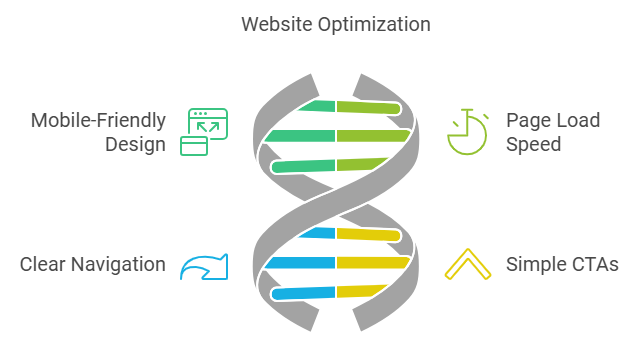
Optimize Website Design and User Experience

  • Mobile-Friendly DesignEnsure your website is fully responsive and performs seamlessly on mobile devices, as a majority of ecommerce traffic comes from mobile users.
  • Page Load SpeedSlow-loading websites lose customers. Use tools like Google PageSpeed Insights to identify and fix performance issues.
  • Clear NavigationSimplify your site’s navigation to help visitors find products quickly. Use intuitive categories and filters.
  • Simple CTAsUse clear, actionable call-to-action buttons like "Buy Now" or "Add to Cart" that stand out visually.
Build Trust with Customers

  • Customer Reviews and TestimonialsDisplay authentic product reviews and testimonials prominently on your product pages.
  • Trust Badges and CertificationsInclude secure payment icons, SSL certificates, and guarantees like “Money Back” to reassure customers.
  • Transparent PoliciesClearly outline your shipping, return, and refund policies to eliminate hesitation at checkout.

Streamline the Checkout Process

  • Guest Checkout OptionAllow customers to complete purchases without creating an account.
  • Simplify FormsReduce the number of fields required at checkout; only ask for essential information.
  • Multiple Payment OptionsOffer various payment methods, including credit cards, PayPal, and mobile wallets.
  • Progress IndicatorsUse checkout progress bars to let customers know how many steps are left.

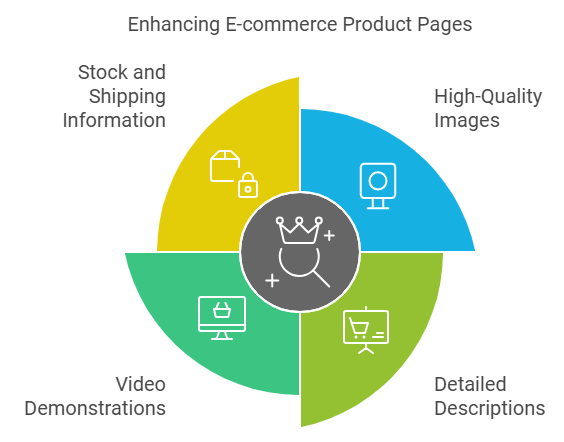
Enhance Product Pages

  • High-Quality ImagesUse professional, high-resolution images with zoom capabilities and multiple angles.
  • Detailed DescriptionsWrite compelling and detailed product descriptions that highlight benefits, features, and specifications.
  • Video DemonstrationsAdd product demonstration videos to showcase functionality and use.
  • Stock and Shipping InformationDisplay real-time stock levels and estimated delivery dates to create urgency and transparency.
Leverage Retargeting and Personalization

  • Retarget Abandoned CartsUse email campaigns or retargeting ads to remind visitors of their unfinished purchases.
  • Personalized RecommendationsShow personalized product recommendations based on browsing and purchase history.
  • Dynamic DiscountsOffer tailored discounts or free shipping to customers who abandon their cart.

Improve Site Credibility and SEO

  • User-Generated Content (UGC)Encourage customers to share photos or videos using your products.
  • SEO OptimizationEnsure your product pages are optimized for search engines to attract qualified organic traffic.
  • Social ProofHighlight how many customers have purchased or are viewing a product in real-time.

Focus on Customer Support

  • Live ChatOffer real-time support through live chat to address customer queries instantly.
  • FAQsInclude a comprehensive FAQ section to answer common customer questions.
  • Post-Purchase SupportProvide tracking information and updates after purchase to build trust for future conversions.

Analyze and Test Continuously

  • HeatmapsUse tools like Hotjar or Crazy Egg to see where visitors are clicking and identify friction points.
  • A/B TestingExperiment with variations of landing pages, CTAs, and checkout flows to determine what works best.
  • Analytics TrackingUse Google Analytics to monitor bounce rates, exit rates, and conversion funnels for actionable insights.

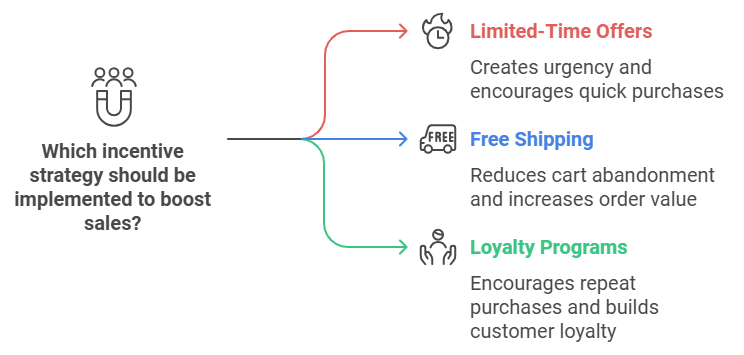
Offer Compelling Incentives

  • Limited-Time OffersCreate a sense of urgency with flash sales or countdown timers.
  • Free ShippingOffer free shipping for orders above a certain amount or as a limited-time promotion.
  • Loyalty ProgramsIncentivize repeat purchases with rewards or discounts for loyal customers.
Optimize for Targeted Traffic

Social Proof in Ads: Include customer testimonials or ratings in paid ad campaigns to build trust before visitors reach your site.

Ad Targeting: Ensure your ads reach the right audience based on demographics, interests, and shopping behavior.

Free PDF report

Incrementality in affiliate marketing

How to prove — and grow — the sales your program actually caused.

Get the incrementality report

Read next

Improving Conversion Rate Matters: Part 1

Conversion rates measure how well your website turns visitors into customers, directly affecting profitability and marketing efficiency. Optimizing conversion rates maximizes ROI, boosts revenue, and enhances customer experiences without increasing traffic.

Improving Conversion Rate Matters: Part 2

Affiliate conversion rates are critical for program success, with even small improvements driving higher revenue, affiliate retention, and brand growth. Strategies like better affiliate resources, data-driven insights, and personalized offers boost efficiency and scalability.

Curious what's leaking?

Get a free program audit

20 minutes with someone who's set up a program like yours before.

Book an audit